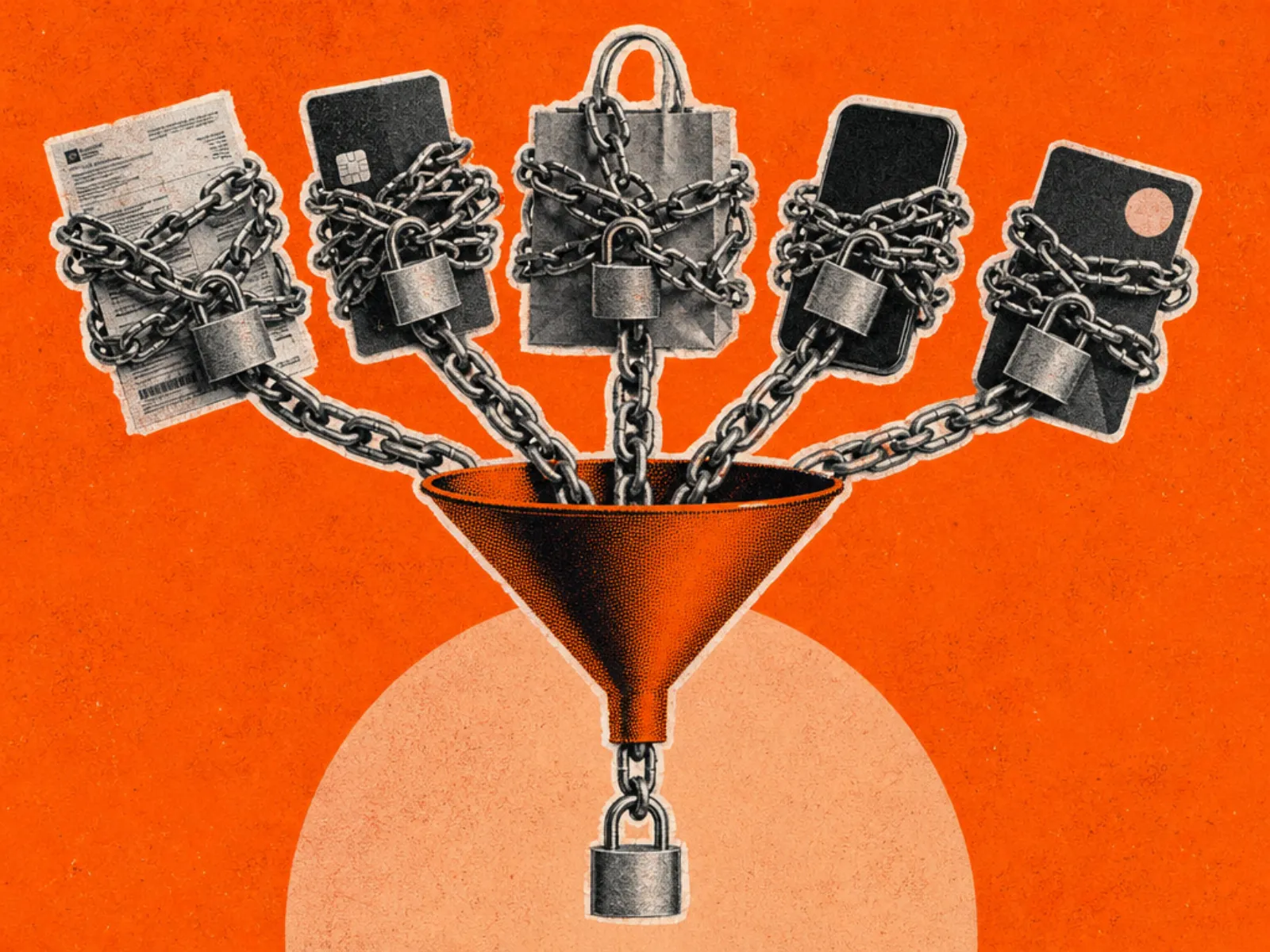
Debt consolidation means rolling several debts into one new loan, so you make one repayment to one lender. It can make repayments easier to manage. It can also cost more if the new rate or fees are higher, or if the loan runs for longer. Financial counselling is free and is a sensible first stop.
How does debt consolidation work?
Moneysmart, the government's money guidance website run by ASIC, describes debt consolidation as rolling debts such as credit cards, personal loans, buy now pay later and store cards into one new loan. You then make one regular repayment to one lender.
Refinancing is a related idea. It means replacing or extending an existing loan with a new one, either with the same lender or a different lender. The two often go together. For example, a person might consolidate all their loans into one new loan by refinancing.
A new loan doesn't make the debt smaller. It only changes who you owe, the interest rate, the fees and how long you take to pay. Whether that helps depends on the numbers and on what happens to the old accounts.
When debt consolidation may help
Moneysmart lists four conditions where consolidation or refinancing may help:
- You pay less overall. The interest rate and fees on the new loan are lower than on your current debts.
- You have a clear end date. The new loan term is not longer than your current debts.
- You can afford the repayments. The new repayment fits your budget and you can keep paying it.
- You stop using old credit. You close or reduce old credit cards or other loans and don't take on new debt.
Moneysmart warns that if some of these things are not true, consolidation can make your situation worse, not better. Extra credit can also tempt people to spend more and end up deeper in debt.
What costs should you compare?
A lower repayment isn't the same as a cheaper loan. These are the main things to line up between your current debts and any new loan:
| What to compare | Why it matters |
|---|---|
| Interest rate | A higher rate costs more |
| Fees | Can wipe out a lower rate |
| Loan term | Longer term can mean more interest |
| Total cost | The real price of the loan |
| Repayment amount | Must fit your budget |
Moneysmart says to be cautious of switching to a loan with a longer term. The interest rate may be lower, but you could pay more in interest and fees in the long run. Its example: a $20,000 debt refinanced to a lower rate over a longer term will reduce weekly repayments, but could increase the total cost.
Moneysmart's checklist also suggests writing down the balance of each current debt and asking yourself two plain questions. Will I cancel my old credit cards and other debts? Will I avoid applying for other credit?
Before you sign a credit contract, credit providers must give you a credit guide that includes their Australian credit licence number. You can check that number on ASIC's professional registers.
What are the risks of putting credit card debt on your home loan?
Credit cards and personal loans are usually unsecured debts. To get a lower interest rate, some people turn them into a single secured debt, such as by adding them to a home loan. With a secured debt, you put up an asset like your home or car as security.
That changes what is at stake. Moneysmart explains that if you can't pay off the new loan, the home or car you put up as security may be at risk. The lender can sell the asset to get back the money you borrowed.
The longer term matters too. A credit card balance that might have been paid off in a few years can end up spread across the remaining life of a mortgage. Even at a lower rate, the total interest can be higher.
Moneysmart's advice is to consider all your other options before using your home or other assets as security. If you're comparing home loan options, our guide to choosing a mortgage broker covers the questions to ask.
Other ways to tackle several debts
Consolidation isn't the only option. Moneysmart describes some alternatives:
- Talk to your lender. Lenders can be asked to change your repayments or extend your loan. The National Debt Helpline website explains how to negotiate payment terms.
- Tackle debts one by one. Pay the minimum on all debts, put any extra money toward the debt with the highest fees and interest, and repeat until the debts are cleared. Moneysmart says this method saves more on interest over time.
- Put essentials first. Moneysmart lists rent or mortgage payments, council rates, utilities and car repayments needed for work as higher priorities.
Bankruptcy and debt agreements are formal legal options with long-term effects, such as on future credit and some jobs. A Part 9 debt agreement, for example, is listed on your credit report for five years or more. Moneysmart says to explore your other options first and talk to a free financial counsellor before going ahead.
Warning signs of debt consolidation and debt management firms
Moneysmart says to avoid companies that make unrealistic promises, or a company that:
- is not licensed
- asks you to sign blank documents
- refuses to discuss repayments
- rushes the transaction
- won't put all loan costs and the interest rate in writing before you sign
- tries to arrange a business loan when all you need is a basic consumer loan.
Debt management firms offer paid services to negotiate with creditors and credit reporting agencies for you. The South Australian Law Handbook notes that these firms have been criticised for not treating consumers fairly and for charging excessive amounts for their services. It also says some firms target people in financial hardship.
Since 1 July 2021, debt management firms must hold an Australian Credit Licence and meet the same obligations as other credit licensees. Financial counsellors don't need this licence because they don't charge a fee.
Moneysmart is clear about the difference: financial counselling is free and you never need to pay. Businesses that charge fees for this are debt consolidation and refinancing companies, not financial counsellors. The Australian Financial Security Authority (AFSA) also warns people to beware of untrustworthy debt advisers who may give dodgy advice.
If a business says it can clean up your credit report for a fee, read our guide on how credit scores work first. You can get your credit report free.
Free financial counselling as a first step
Financial counselling is a free and confidential service offered by not-for-profit community organisations. Counsellors can explain your options and help you make a plan. Moneysmart says the earlier you get help, the more options you'll have.
- National Debt Helpline: 1800 007 007, Monday to Friday, 9:30am to 4:30pm. Live chat runs Monday to Friday, 9am to 8pm. Callers are transferred to the service in their state.
- Mob Strong Debt Help: 1800 808 488 for Aboriginal and Torres Strait Islander peoples, Monday to Friday, 9:30am to 4:30pm.
Financial counsellors don't give legal advice. Moneysmart says anyone facing legal action should get free legal advice straight away.
When it is worth getting a professional
Once you've decided a new loan might make sense, a licensed finance broker or mortgage broker can compare loans and set out the rate, fees, term and total cost in writing. That's useful if you're refinancing a home loan or weighing up a secured loan against an unsecured one. If the debts already feel unmanageable, a free financial counsellor is usually the first person to talk to.
Before you sign anything, check that the business is licensed. FIZO shows whether a broker is on the regulator's register, and you can find a finance broker on FIZO.
This guide is general information only. It doesn't take your personal circumstances into account.